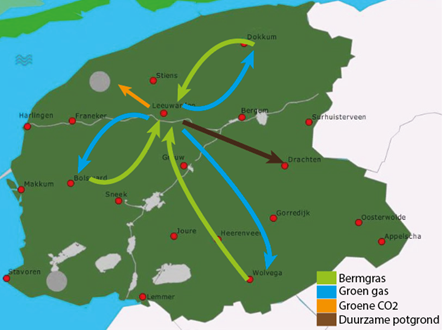
Overview locations of customers and suppliers in Friesland, The Netherlands.
Project goal
The goal of GR4SS is the multifaceted use of mowing residue that is released during maintenance of roadsides and nature reserves. Four new raw materials are produced by grass. Anaerobic digestion of the grass creates biomethane and biogenic CO2. High-quality substrate for potting soil and green fertilizer are created from the digestate. For this installation, 36,000 tons of verge grass and nature mowing residue from Friesland’s roads and natural areas will be digested. The grass suppliers include Rijkswaterstaat, the province of Friesland (The Netherlands), and various other governments and private enterprises.
Annually, mowing activities in road verges and nature areas yield between 300,000 and 450,000 tons of mowing residue. Mowing residue is a collective term for everything that is mowed, including grass, flowers, and herbs. These areas are mostly owned by municipalities, provinces, Rijkswaterstaat, Staatsbosbeheer, nature conservation agencies, and water authorities. The mowing residue is considered a residual or waste product and is primarily composted. Composting releases CO2, hydrogen, and methane, thereby negatively affecting the climate. Therefore, for years, efforts have been made to find a high-quality solution for processing roadside mowing. A sustainable alternative is the anaerobic digestion of grass into biogas.
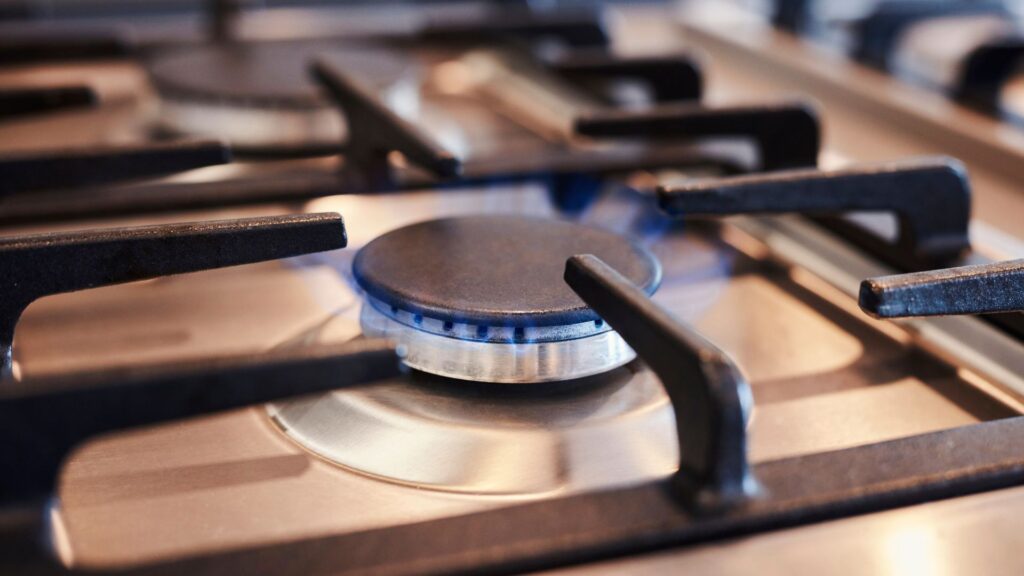
Biomethane is considered a viable alternative to natural gas as it can be injected into the existing gas grid and used for various applications, including heating, cooking, and electricity generation.
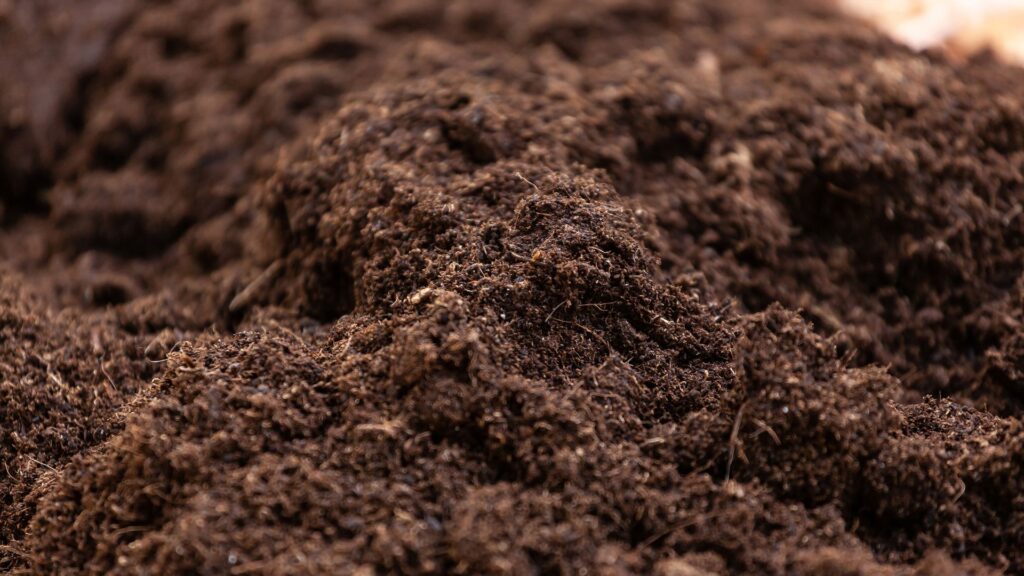
The use of alternatives to peat in potting soil is essential for promoting sustainable gardening and reducing the negative environmental impacts associated with peat extraction.
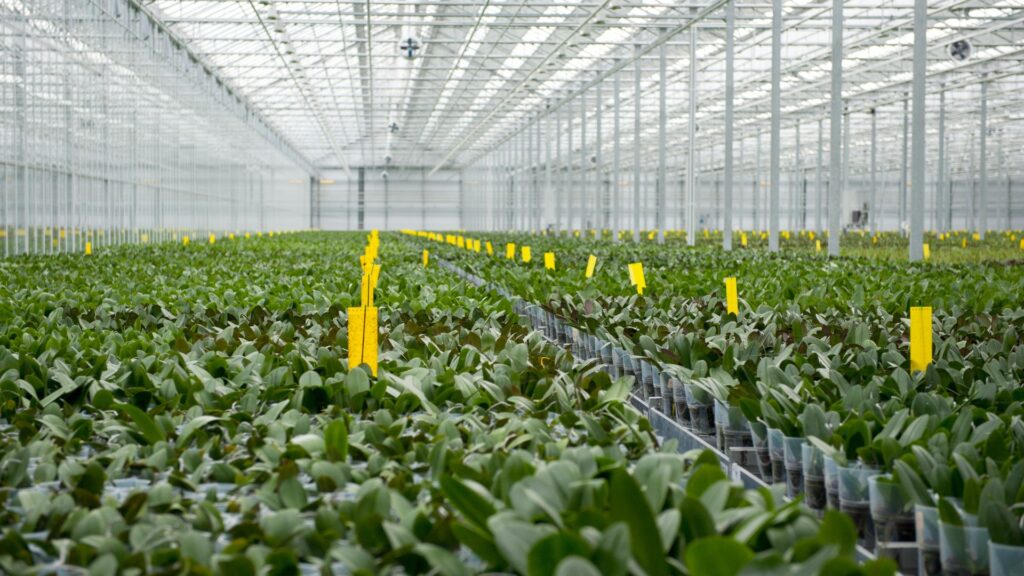
The use of bio-CO2 in horticulture demonstrates an innovative approach to agricultural practices. The liquefied CO2 can be utilized to enhance the growth and productivity of plants, as it proves to be a valuable resource in greenhouses.
Green fertilizer is a commonly used fertilizer that provides essential nutrients for plant growth. GR4SS produces 36,000 tons of green fertilizer annually by washing the air from the composting hall.
Energiecampus Leeuwarden, The Netherlands
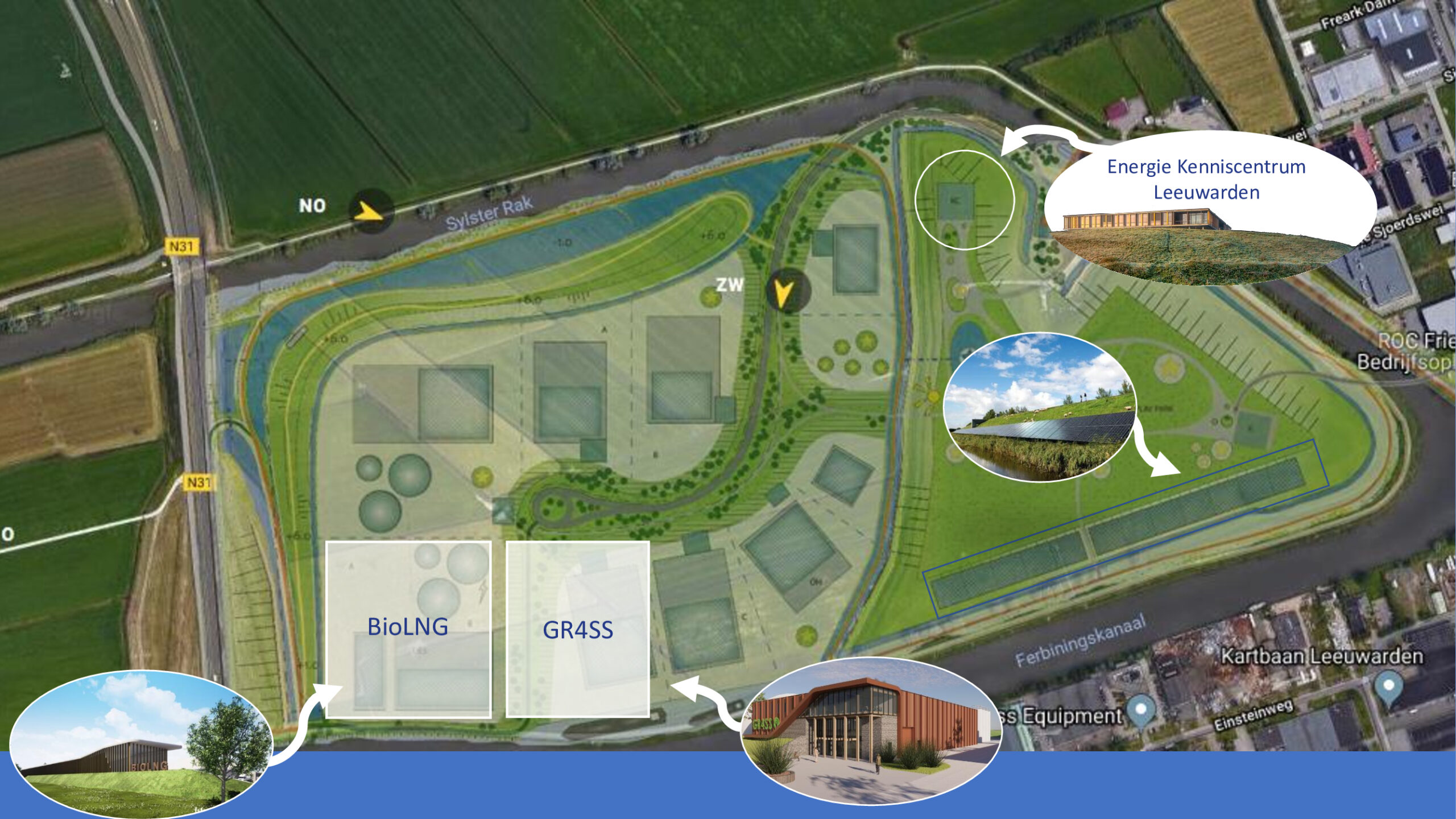
At the Energiecampus Leeuwarden (ECL), companies, knowledge institutions, government, and startups collaborate on the energy transition. It is a place for work, recreation, and experimentation. The combination of ambitious companies, knowledge institutions, startups, and government creates a space where all knowledge in the field of sustainable energy converges. D4, Ekwadraat, and Koninklijke Oosterhof Holman are the driving forces behind the development and management of Energie kenniscentrum Leeuwarden (EKL), the energy knowledge center located at the Energiecampus Leeuwarden. EKL is built on top of the former landfill Schenkenschans. The office is circular and gas-free. Biobased materials such as FSC-certified wood form the core of the building. The interior is predominantly recycled and refurbished. We repurposed an old gymnasium floor as acoustic material, used PET bottles for furniture, and bamboo for a sustainable floor.
To further emphasize the sustainable ambitions, the surrounding area is filled with a spacious, recreational, and water-rich green zone. This gives ECL a green appearance and enhances its circular ambitions even further.
Overview of Energiecampus Leeuwarden (The Netherlands), including GR4SS
Planning
LIFE programme
The consortium D4, HoSt, and Kekkilä-BVB were awarded a grant in the LIFE programme of €2,261,231 in September 2022 to fund the development phase and part of the investment of this project LIFE21 CCM-NL-1011004660. LIFE is a European subsidy programme contributing to the realization of European environmental, energy, and climate policies, such as the European Green Deal. In 2021, LIFE allocated a total of 327 million euros in subsidies across the EU. Two percent of this amount went to 13 projects with Dutch participation. The subsidy covers a portion of the development costs and the construction of the digestion facility.