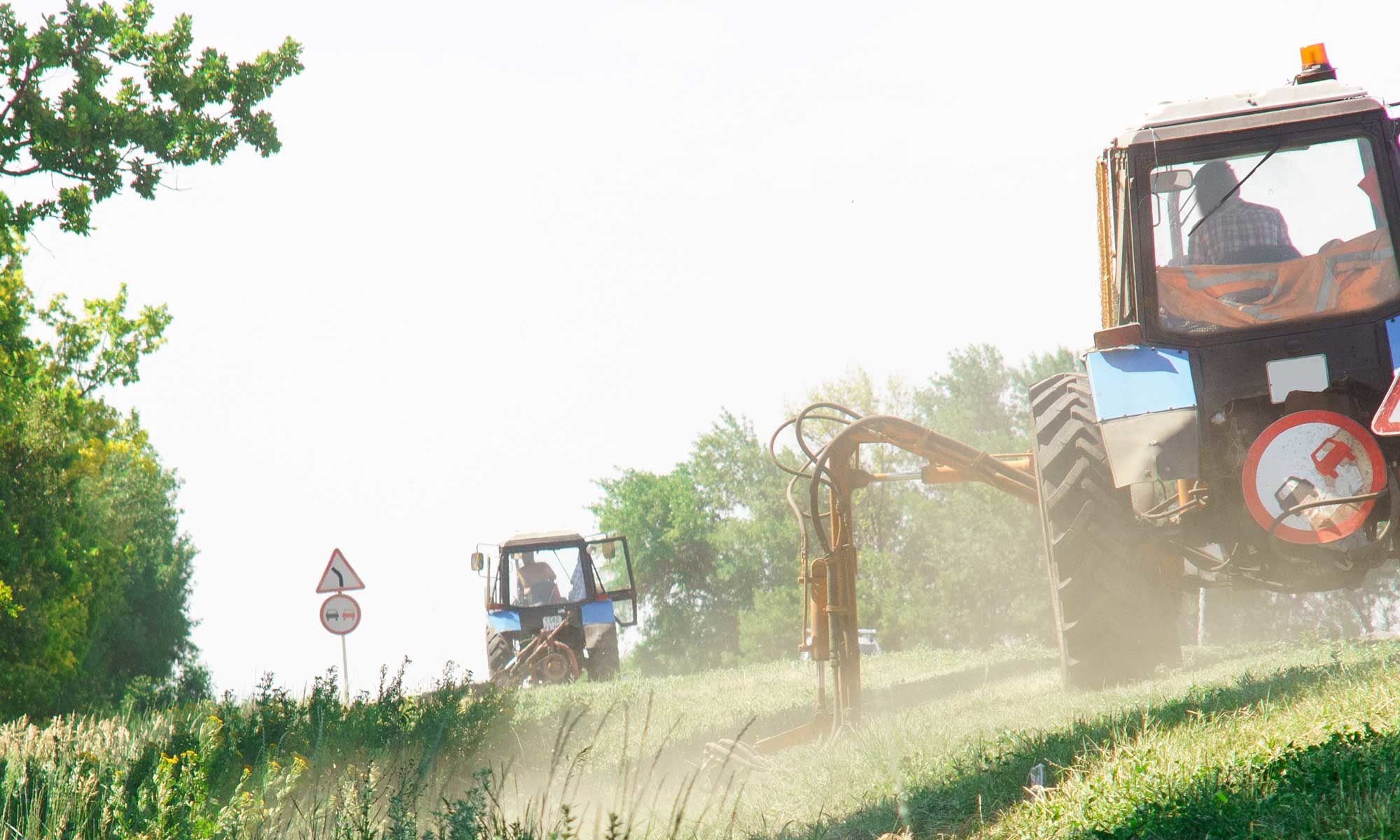
Verge grass and grass from nature reserves are considered waste products with high disposal costs. Thanks to the innovation of mono-grass fermentation, this valuable waste product can be converted into four high-quality sustainable products: (1) biomethane; (2) peat substitute, a high-quality and sustainable growth substrate for greenhouse horticulture; (3) biogenic CO2 plant fertilizer for greenhouse horticulture; and (4) organic fertilizer for the agricultural sector.
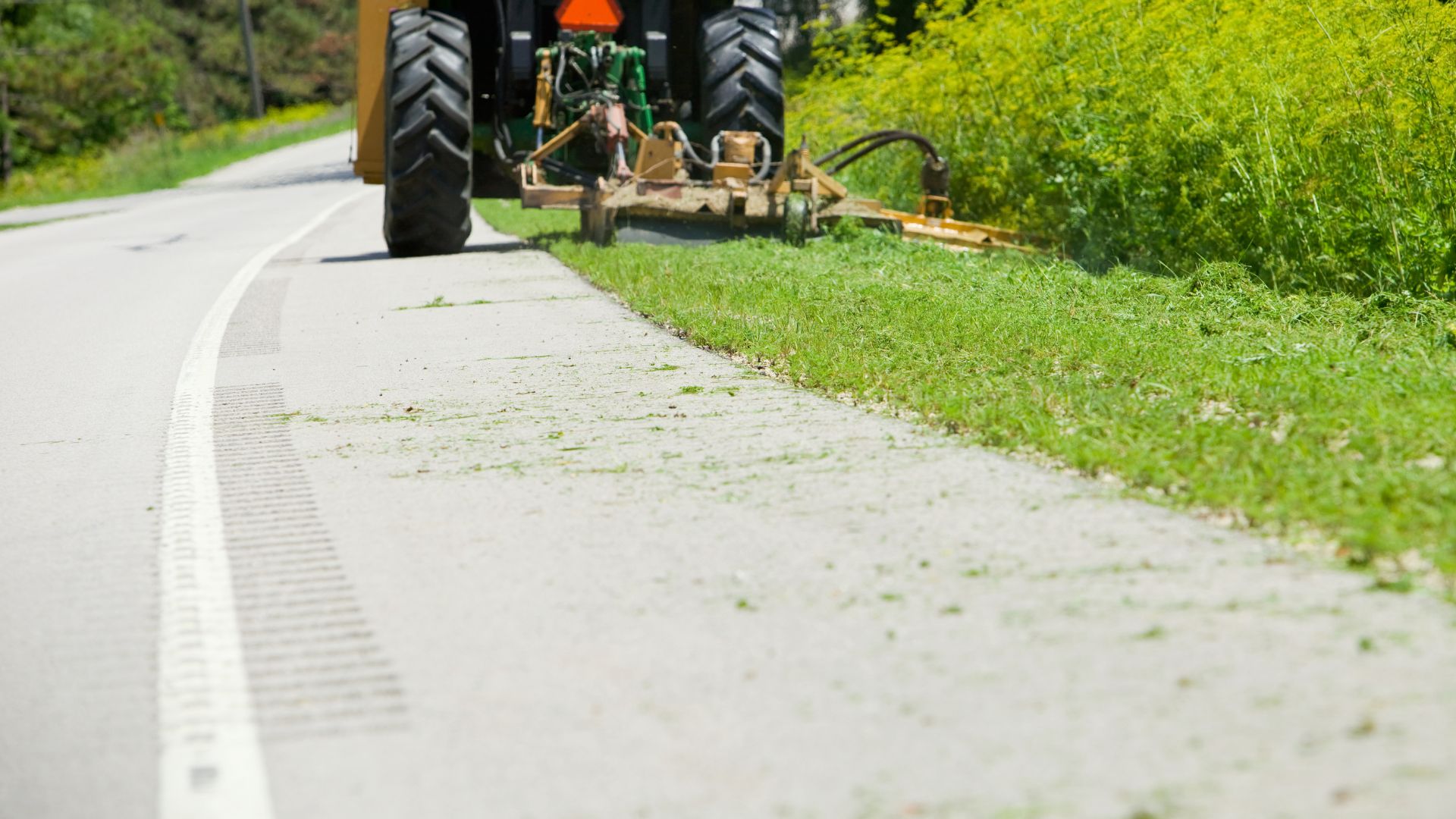
Verge grass is one of the most abundant and available biomasses in the Netherlands. Annually, between 300,000 and 450,000 tons of verge grass are produced through the maintenance of the road and highway network, nature reserves, and rural areas. The amount of available verge grass in the European region (EU 27) is 4,400,000 tons according to S2Biom (2017). The owners of these grass locations in the Netherlands include local municipalities, provinces, Rijkswaterstaat (executive agency of the Ministry of Infrastructure and Water Management), and water boards. For many years, these parties have been exploring alternative ways to process verge grass into high-quality products, other than the generally considered low-quality compost.
The composting process is controversial because significant amounts of CO2 (even if biogenic) and water vapor are produced during this process, both being the most common greenhouse gases in the Earth’s atmosphere. Moreover, it has been demonstrated that processing costs through the GR4SS process are cheaper in the short term and much more cost-effective in the long term compared to the current composting method. This is due to the fact that the GR4SS process produces renewable products with high sustainability and proven economic value.
Not all available grass is suitable for grass fermentation. Therefore, mowing management will be carried out to ensure the quality of the grass. All types of litter (plastic, cans, etc.) that end up in the grass are largely removed by hand. Agreements are made in consultation with the grass suppliers regarding the quality. The grass should not be too wet or too dry for the ensiling process. Additionally, the grass must be freshly harvested. If it remains by the roadside for too long (>2-3 days), it loses its biogas potential. Mowing management is therefore crucial.